
Leaves, Ditches and Drains: A Thurston County Guide to Fall Cleanup (and What to Skip)
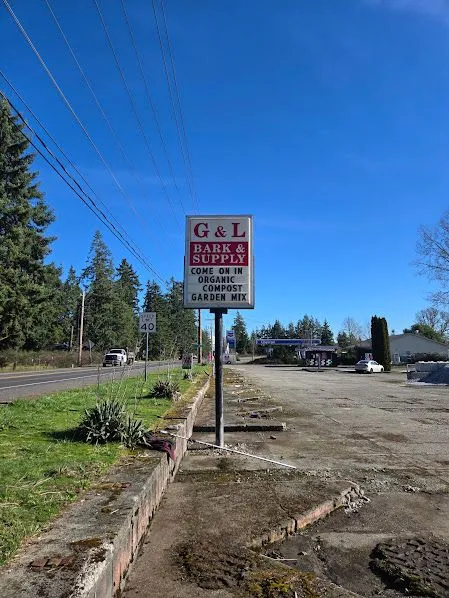
A South Sound fall cleanup is less about removing every leaf and more about checking where leaves have landed. A thin layer under a maple can protect garden soil. A soggy pile in a shaded side yard between houses can turn into a slippery mat. Leaves packed against a driveway drain or across a ditch can interfere with water flow just when the rainy season gets going.
Here is a practical walk around a typical Lacey or Olympia property: what to clear, what you can leave, and where to take the leaves you do not need.
Begin where water needs to move
After a rain, walk the property and notice where water actually runs. On many Thurston County lots the trouble spots are predictable: the side yard that stays damp, the low edge along a fence line, the drain at the driveway apron, and the bed under a mature tree.
A useful leaf cleanup routine does not mean stripping the whole property bare. Start with the places where leaves could block a flow path, smother grass, or become slick underfoot. Then decide what can stay in planting beds.
The shaded side yard: break up the wet mat
A narrow side yard between a house and a fence often gets little sun and little airflow. Through a Lacey or Olympia rainy season, whole leaves settle there, stay wet, and form a dense layer over grass or low plants.
Rake or lift out the leaves that have matted across the lawn or path. If they are dry enough, run the mower over them and move some to a garden bed. Shredded leaves break down faster and are far less likely to form a thick, slippery mat that stays slick until March.
Worth being clear about what we do. G&L sells landscape materials, and we do not send crews to rake, bag, or haul leaves. So if you are looking for yard cleanup in Lacey or Olympia, a curbside service or a local cleanup crew is the right call, and we are glad to help with the material side once the leaves are handled.
The ditch along the fence: keep the channel open
A ditch or swale, meaning a shallow channel that carries runoff, needs room for water. Clear leaves and loose debris from the stretch you are responsible for, but do not push them farther down the channel, and do not treat the ditch as a place to dump grass clippings, branches, bark, or yard waste. Added material obstructs flow and can contribute to erosion.
If it is a roadside ditch, a shared drainage feature, or you are unsure who maintains it, check with the relevant property owner or local public works department before digging or reshaping anything. A low spot that carries water is not a spot to fill.
The driveway apron: check the storm drain safely
Leaves collecting around a storm-drain grate become a real problem during heavy rain. If the grate sits at the curb, clear loose leaves from the surface when you can do it safely. Stay on the sidewalk or curbside, watch for traffic, and use a rake or other tool rather than reaching into the drain.
Never lift the grate, and never put leaves, soil, or other debris down it. If the drain is clogged, water is backing up, or the situation looks unsafe, report it to the agency responsible for that street or drainage system. Tumwater asks residents not to rake or blow leaves into the street, since a street pile washes into the drain or interferes with street sweeping.
Under the big maple: some leaves can stay
A bed under a maple does not need to be bare for winter. A light, loose layer of leaves protects the soil surface. Oregon State University Extension notes that leaves left in flower beds help shield soil from heavy rain and erosion, reduce compaction, and add organic matter as they break down.
The key is avoiding a dense, wet blanket. Shred leaves that tend to mat or blow around, and keep them off plant crowns and away from the trunk. If whole leaves stay in place, move some aside in spring as bulbs and perennials come up. On the lawn, rake or mulch-mow the excess so a heavy layer does not smother the grass.
If you want a finished look around a bed once the excess leaves are out, fine, medium, and nugget bark are the usual choices here. Bark is a separate landscape material, not a substitute for clearing leaves out of drains and ditches.
Yard waste removal: where leaves can go
"Yard waste removal" usually means hiring someone to rake, bag, and haul debris. To be clear, G&L does not offer leaf hauling or yard cleanup crews. We do not come to properties to rake or collect bags.
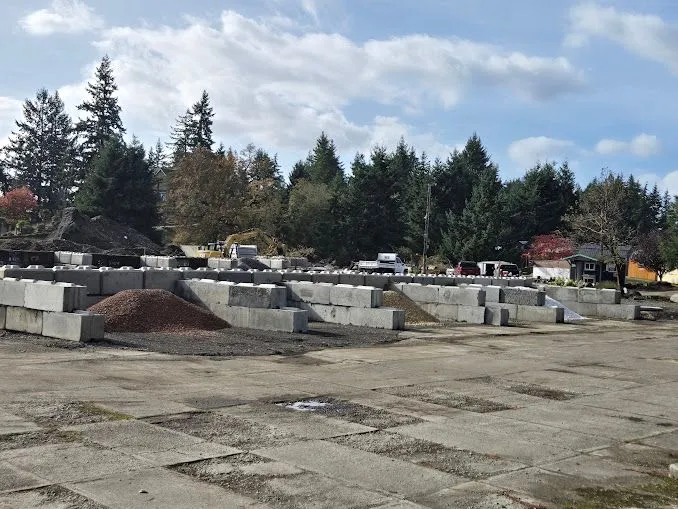
If you are searching for yard waste removal in Thurston County, check the collection and disposal options where you live. Your curbside hauler can confirm what it accepts and how leaves should be prepared. Thurston County's Food & Yard Waste page lists the Waste and Recovery Center in Lacey as a drop-off location, where the County says yard waste is accepted for composting seven days a week; check current hours, fees, and acceptance rules before you load the truck. At the Rainier and Rochester drop-box facilities, yard waste is treated as garbage rather than composted.
Some homeowners keep suitable leaves on site for compost, or use them as leaves as mulch under trees and shrubs. For guidance on beds and lawns, Oregon State University Extension has solid advice on leaving fallen leaves in flower beds.
When a bed needs more than leaves
Leaves protect a bed, but they do not replace soil or compost when you are actually improving a planting area. For a garden refresh, we stock garden soil and compost by the cubic yard and in bags. G&L custom-blends topsoil on site using composted manure, mushroom compost, and organic compost, blended for Pacific Northwest growing conditions.
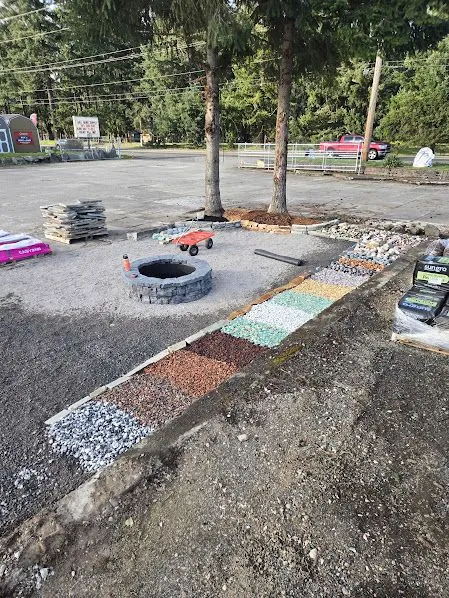
For a bigger repair, topsoil delivery across Thurston County is usually more practical than carrying bags. We offer bulk cubic yards and bagged material, with delivery to Lacey, Olympia, Tumwater, and across Thurston County, and same-day delivery is often available depending on the day and the schedule. Delivery covers material like bark, soil, and compost, not leaf pickup.
A quick South Sound checklist
Before the next stretch of rain:
- Clear leaves from lawn areas where they are forming a thick mat.
- Check the driveway drain and nearby curb for loose leaves, and do not push debris into the grate.
- Keep ditches and swales open. Do not fill them with leaves, bark, or other yard debris.
- Leave a modest, loose layer in suitable garden beds, clear of plant crowns and tree trunks.
- Use your curbside yard-waste service or Thurston County disposal options for the leaves you are not keeping.
For help choosing material for a separate garden-bed or soil project, stop by the Lacey-area yard and compare products in person. 9041 Pacific Ave SE, Olympia, WA 98513. Call (360) 489-1614 to check availability or delivery.
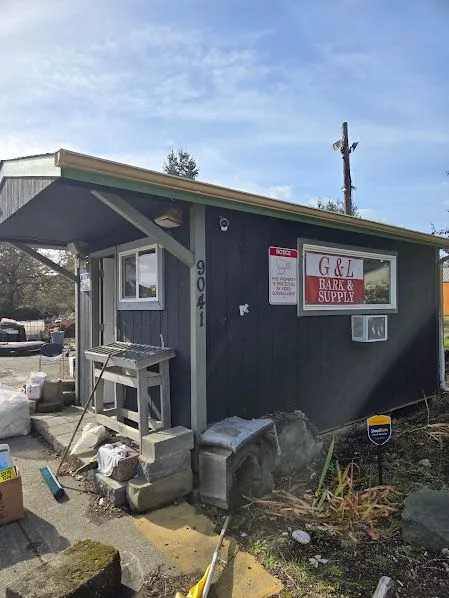
Hours: Monday-Saturday, 8:30 AM-5:00 PM; Sunday, 10:00 AM-4:00 PM.